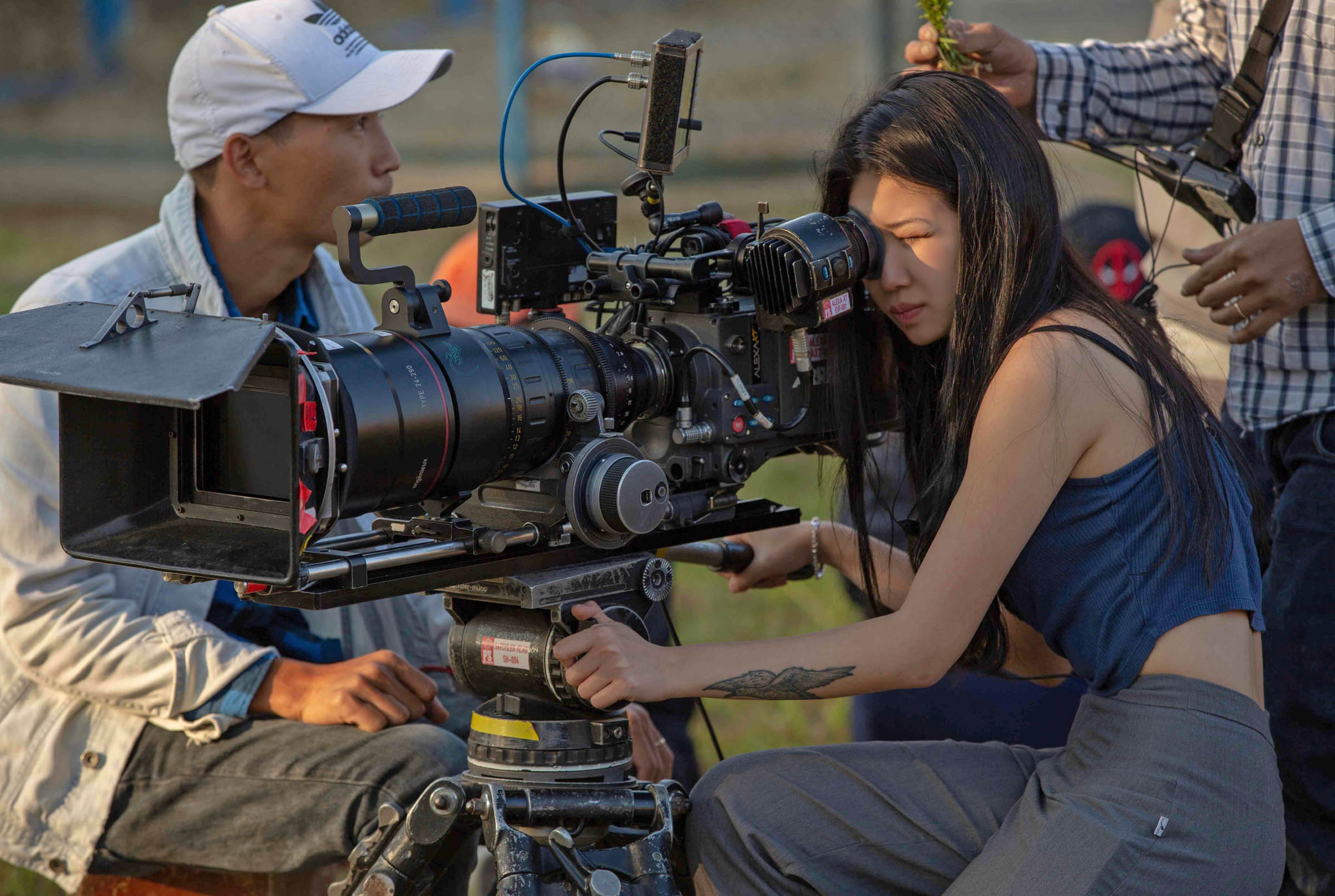
Nguyen Phan Linh Dan. Photo © Vu Nguyen.
Nguyen Phan Linh Dan will be honored at Cannes at the 79th Cannes Film Festival on May 22, 2026 in the Buñuel Theatre of the Palais des Festivals. She will receive an Angénieux endowment for her next project. She graduated with a BFA from NYU Tisch School of the Arts in 2018. Credits include MY SHARE OF SKY (2026), PICTURE HOUSE (2026), THE FOUR RASCALS (2025), CU LI NEVER CRIES (2024 Berlinale, GWFF Best First Feature), SECRET OF THE WIND (2019 Busan International Film Festival), GIRL FROM THE PAST (2023 Best Cinematography Award at the Vietnam Film Festival), etc.
Jon: How did you get into film?
Dan: Growing up in Hanoi, Vietnam, I learned English by watching American movies and TV shows like FRIENDS. Attending a French high school in Vietnam, we got to watch many French New Wave movies. I also worked part-time as a photographer for local clothing brands who needed look-books.
Following a fantasy of living in New York after seeing it in movies, I applied to NYU — New York University. That was the only American school that I applied to. I was accepted to study animation in their film and TV program. Although I always loved storytelling and cinema, I thought that my path would be animation because I had been painting and drawing for a long time. But I soon realized that I could not sit and draw 24 frames per second.
I noticed that the ideas I was trying to convey in animation could be done with live action, without having to draw them. You can paint with light and compose frames with a camera the same way you draw something from your imagination. That is when I fell in love with the craft of cinematography.
Exchanging animation for live images is a nice way of putting it. Did you watch many films while growing up?
I’d been watching animation from France and Japan since I was a kid. The movie that inspired me to work in animation was SPIRITED AWAY by Hayao Miyazaki. We got to watch many French New Wave movies in high school. I was also inspired by Italian neorealism and Fellini: seeing how we could give the real world some fantasy or a touch of magic.
How did you get into the business after NYU?
At NYU, we got to a lot of practical experience on set. After graduating, I worked in New York as an AC, electrician, gaffer and shot a lot of indie short films. I moved back to Vietnam in 2020 with a portfolio that I could show. That was very helpful to get work because there weren’t any female DPs in Vietnam. Having a demo reel and films to show definitely gave me more opportunities.
What kind of equipment were you using on student projects in New York and these days in Vietnam?
NYU had cameras from Sony but I received the Panavision New Filmmakers Grant for my thesis project and got to shoot with an ARRI camera and Panavision lenses. These days in Vietnam, I mostly shoot with ARRI ALEXA Mini, Mini LF or ALEXA 35. I also have worked with the Sony VENICE 2 and its Rialto extension system. For compact cameras, I usually go with the Blackmagic 6K.
And lenses?
In Vietnam, most of our zooms are Angénieux. Our industry has been moving from just a few rental houses to many different options. When I first came back, there were two or three rental companies. Within the past few years, it’s been booming. We’re making so many films now. Most of new rental houses and film studios are in Ho Chi Minh City (formerly Saigon). I’m based here as well. Hanoi is the capital, so most of the TV production is there.
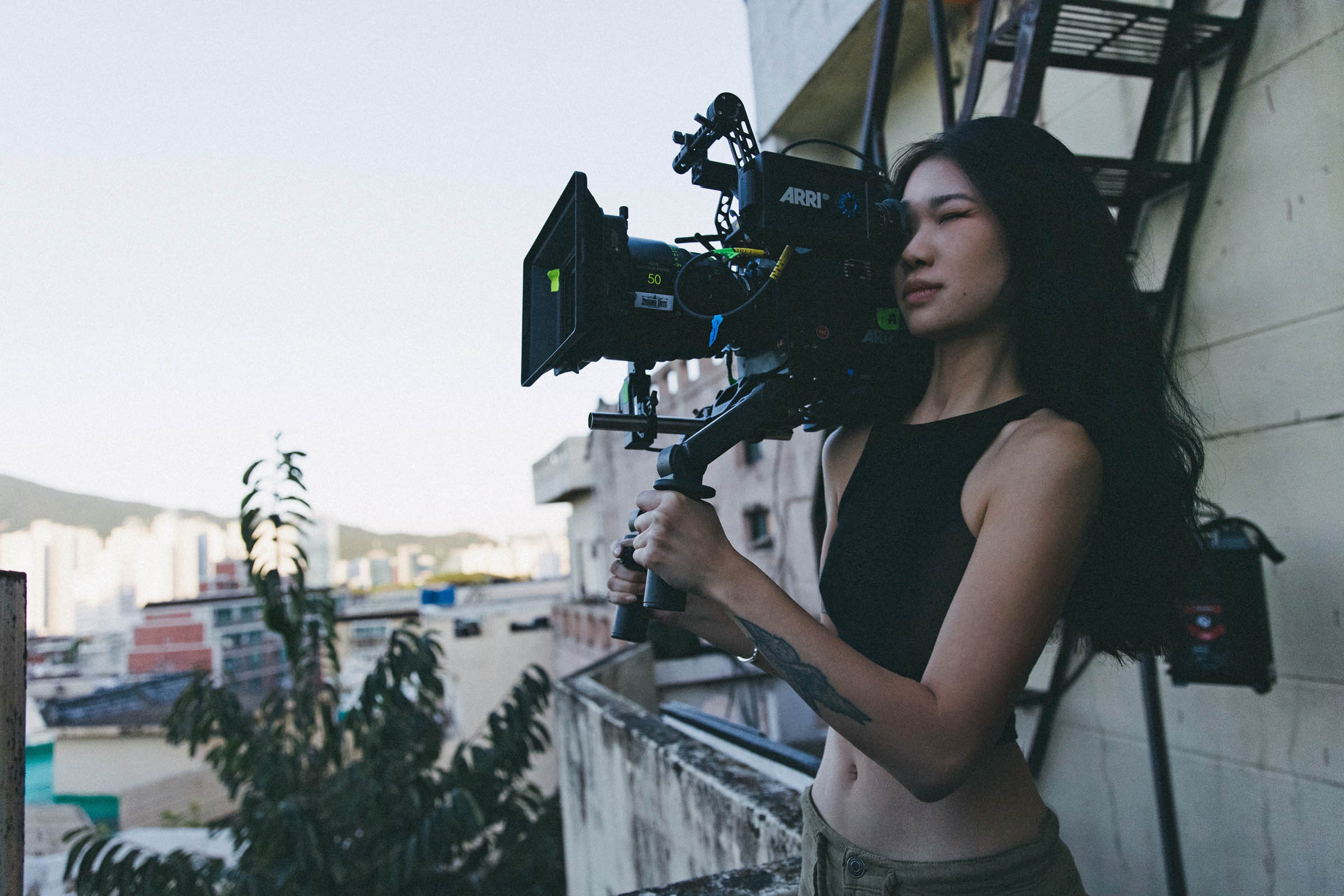
Nguyen Phan Linh Đan. Photo © Yeoseung Jin.
Do you use zooms or primes on your projects now?
I always have zooms in my package along with prime lenses. I usually like to go for lenses with character. On the most recent project that I just wrapped, we used the Angénieux 24-290 zoom and Cooke S5 primes on ARRI ALEXA 35. Apparently, with the Pierre Angénieux Award at Cannes, I will be able borrow their lenses for projects. I’m really excited to try them.
I always have zoom lenses in my kit mainly because I like to do slow zoom moves every once in a while. And they also provide the flexibility to adjust the focal length during a shot. In Vietnam, most of the locations are quite small. For technical reasons, sometimes a dolly won’t fit or is not enough, so I always like to have the zoom available.
Tell us about your latest film.
THE LAST EMPRESS is a movie about Nam Phuong, the last empress during French colonial times. It’s a period piece, set in the 1960s. We shot in the Palace of Hue for a month and a half. The film I shot before that was just released: PICTURE HOUSE. It’s about a little boy who grew up in Vietnam in the 1960s. His family owns a movie theater—and it’s an autobiographical film by the director.
I understand that you grew up in an artistic family.
My grandmothers are journalists and writers. My father is a painter and also works in film as a movie director. My parents did not want me to become a DP at all. My dad knew what the film industry is like and how tough it is. I don’t think I ever told him that I wanted to become a DP. For the longest time, he just thought I was doing animation until I was not. So, I was fortunate to grow up in a family that appreciated the arts.
For my generation in Vietnam, being in the arts is still relatively new. Our country is different now; people are better off. The arts have become more accessible. For my father’s generation, art was a difficult path because everyone had other things to worry about. But our country has developed so much in the past 30 years that our younger generation is very vocal and there are many opportunities in the arts.
Did you start out as a focus puller?
I did AC work. But I was not a very good focus puller. So I tried to work more on lighting and operating.
Do you have a particular style or does it change on every film?
I try to change it on every film, but people say that I have a style. I tend to like low-key lighting. I like to work with shadows. A lot of the time it’s about taking light away, not so much about adding lights, but rather about adding negative fill. I like to light from outside the windows and I like to shoot against the light. I like backlighting or sidelighting people.
Do you operate the camera?
If it’s a single camera, I always prefer to operate. But because our days are limited and our work hours are long, a lot of productions tend to have two camera setups and then I have to supervise both. We usually work 14-hour days, 6 days a week, with the possibility of overtime. We do get paid for overtime, but there isn’t really a cutoff. It could go to 24 hours.
As individuals, we all try to implement fair conditions for the whole crew, but it really depends on the AD or the producer. It used to be 16 hours before overtime starts. Working conditions are tough in Vietnam and we hear stories of people burning out. Because our business grew so quickly in the past 6 years after Covid and there are no established labor laws, we can only try to protect ourselves and the people around us. Changes have been made but we are all still trying to improve things further so this can become a sustainable job for everyone involved.
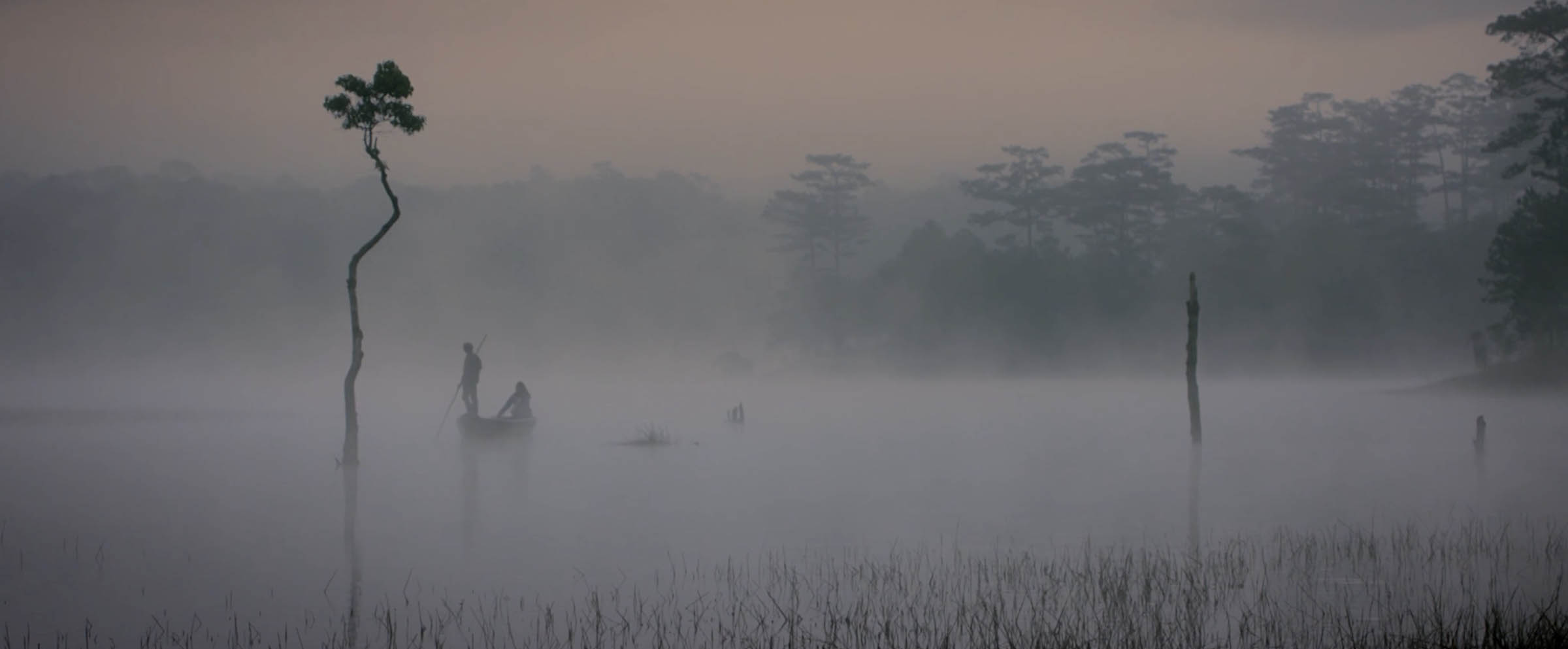
Frame: SECRETS OF THE WIND. Frame © BHD Studios.
Tell us about your crew in Vietnam.
Because there’s no insurance, rental companies provide their own staff to accompany and take care of all the equipment. The lighting department, grips, gaffer and most of the camera crew come from the rental house. As the DP, I am one of the few freelancers. I usually insist on having my own freelance Focus Puller and Operator. Focus pulling is a special job here. They can do AC work as well if they want, but technically their only job to just pull focus. In Vietnam, the directors and producers really care whether the image is in focus. Focus Pullers have a very high-pressure job.
Who are the major rental houses in Vietnam?
We have PS Vietnam and HKFilm (which is also a production company). PS has been around for a long time and they’ve done all sorts of international projects that come here. We try to choose the rental house based on the people we want to work with, even more than the equipment they provide. Since the crew is their insurance, for example, we may pick the rental house because we like to work with their particular Gaffer.
Is it difficult for women in Vietnam to get into film?
Yes. I think I’m still the only female DP working in Vietnam. In general, it hasn’t been a popular field to pursue. Only recently has it become a potential job for children to tell their parents “I want to work in film.” It is also difficult because there haven’t been many women doing technical jobs. When I first came back, it was mainly about having to prove myself because few people had ever seen a girl holding a camera. It helped that I came back to Vietnam with a portfolio, some skills and on-set experience.
When you see Akiko Ashizawa, JSC at Cannes, you will have similar stories to share.
She seems super cool. I saw some of her behind-the-scenes photos and they were so inspiring to me. That’s why I look forward to meeting and learning from her. Akiko Ashizawa’s story amazes, impresses and encourages me.
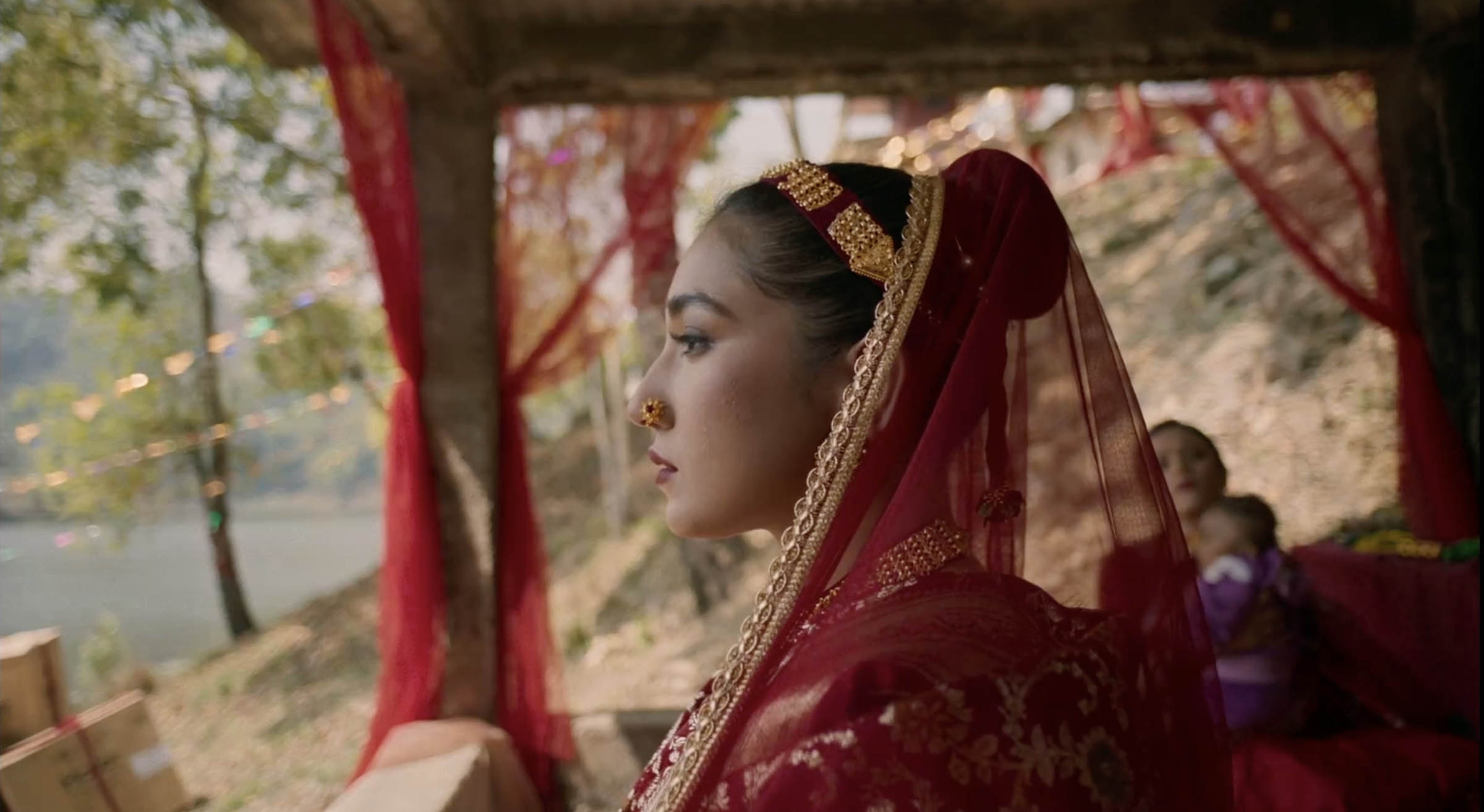
Frame: MY SHARE OF SKY. Gauthali Productions.