Angénieux Optimo Primes get an oval iris
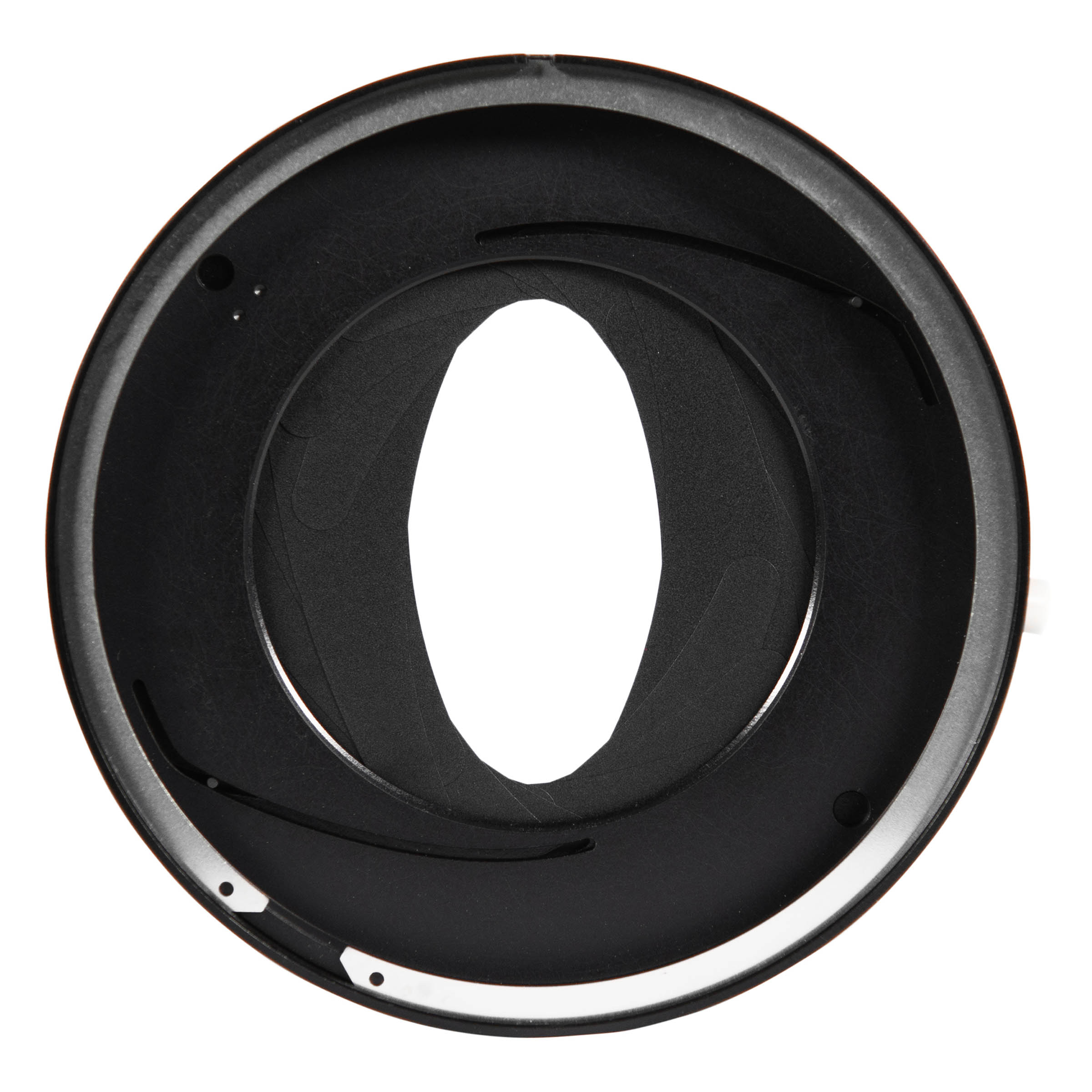
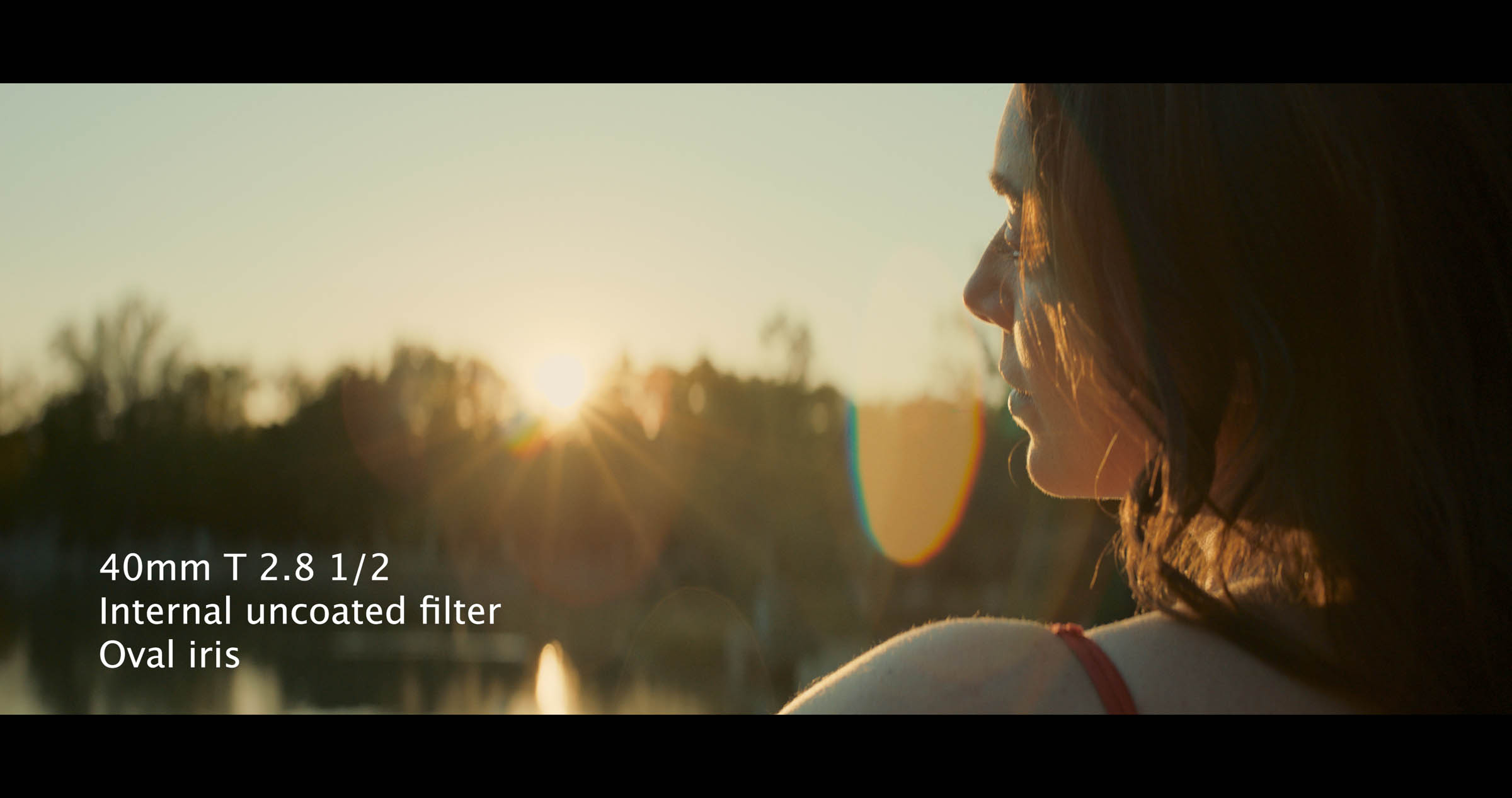
Optimo Primes normally come with round 9-blade irises. Interchangeable 3-blade vintage-style iris are also available. But what if you want to have an anamorphic look, or match spherical with anamorphic, or the VFX team insists on distortion-free lenses? New 16-blade oval irises are now available.
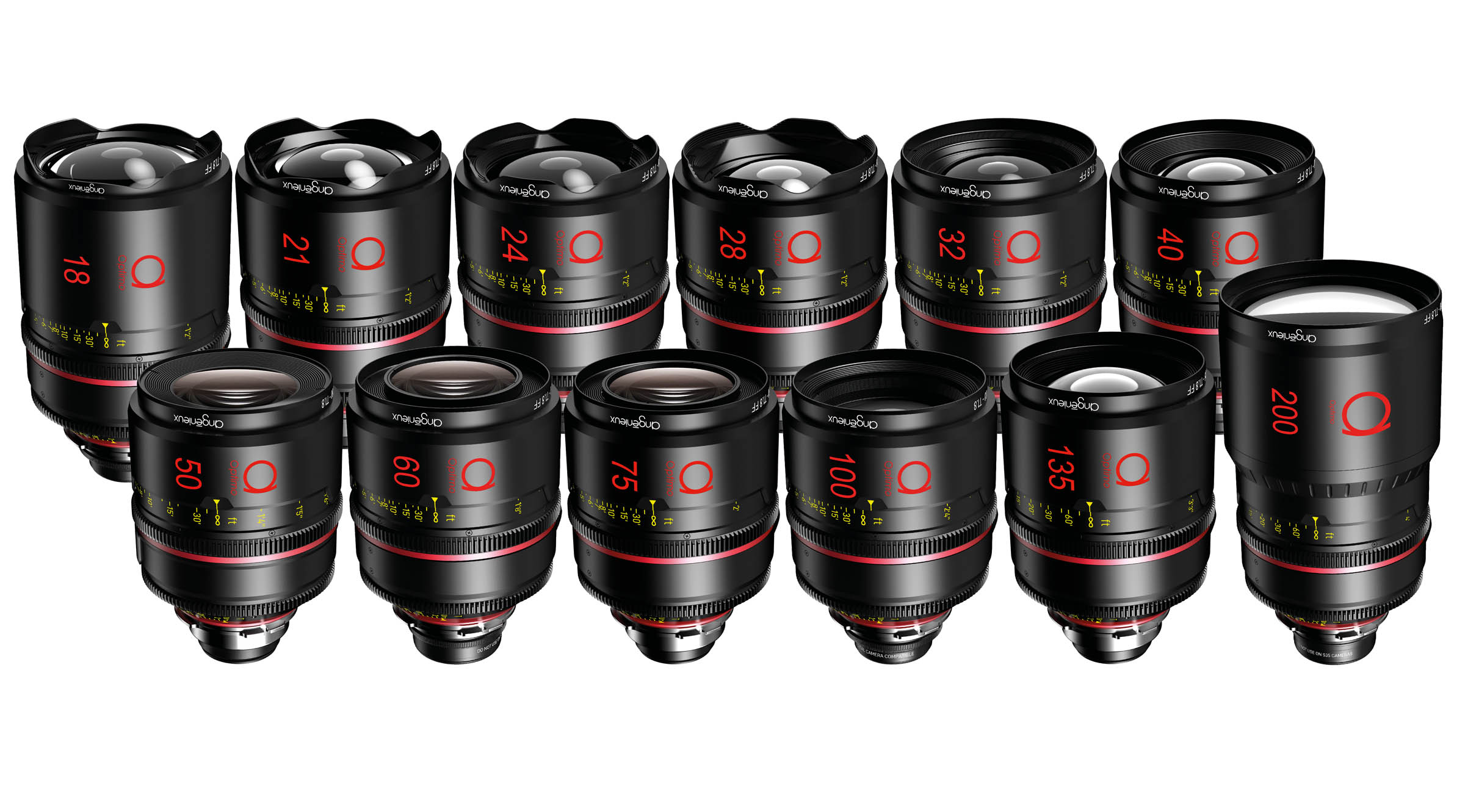
Angénieux’s new 16-blade oval irises have an intricate, patented design—not an easy feat—to maintain a consistent oval bokeh shape at all apertures across all 12 focal lengths of the Optimo Prime series (18, 21, 24, 28, 32, 40, 50, 60, 75, 100, 135, 200 mm).
Quick review: Angénieux Optimo Primes are compact and lightweight, with exceptionally customizable image looks. Maximum aperture with the 9-blade iris is T1.8 (except the 18mm is T2 and 200mm is T2.2). With the oval iris, maximum aperture is T2.6 (except the 18mm is T2.8 and the 200mm is T3.2).
Sur mesure
In the French fashion industry, sur mesure is bespoke—made to measure. Prêt-à-porter is ready-to-wear, off-the-rack. Creative cinematographers crave sur mesure lenses to shape their artistic style to the story involved. And so, Angénieux Optimo Primes offer haute couture tailoring with their Integrated Optical Palette (IOP) system.
Integrated Optical Palette (IOP)
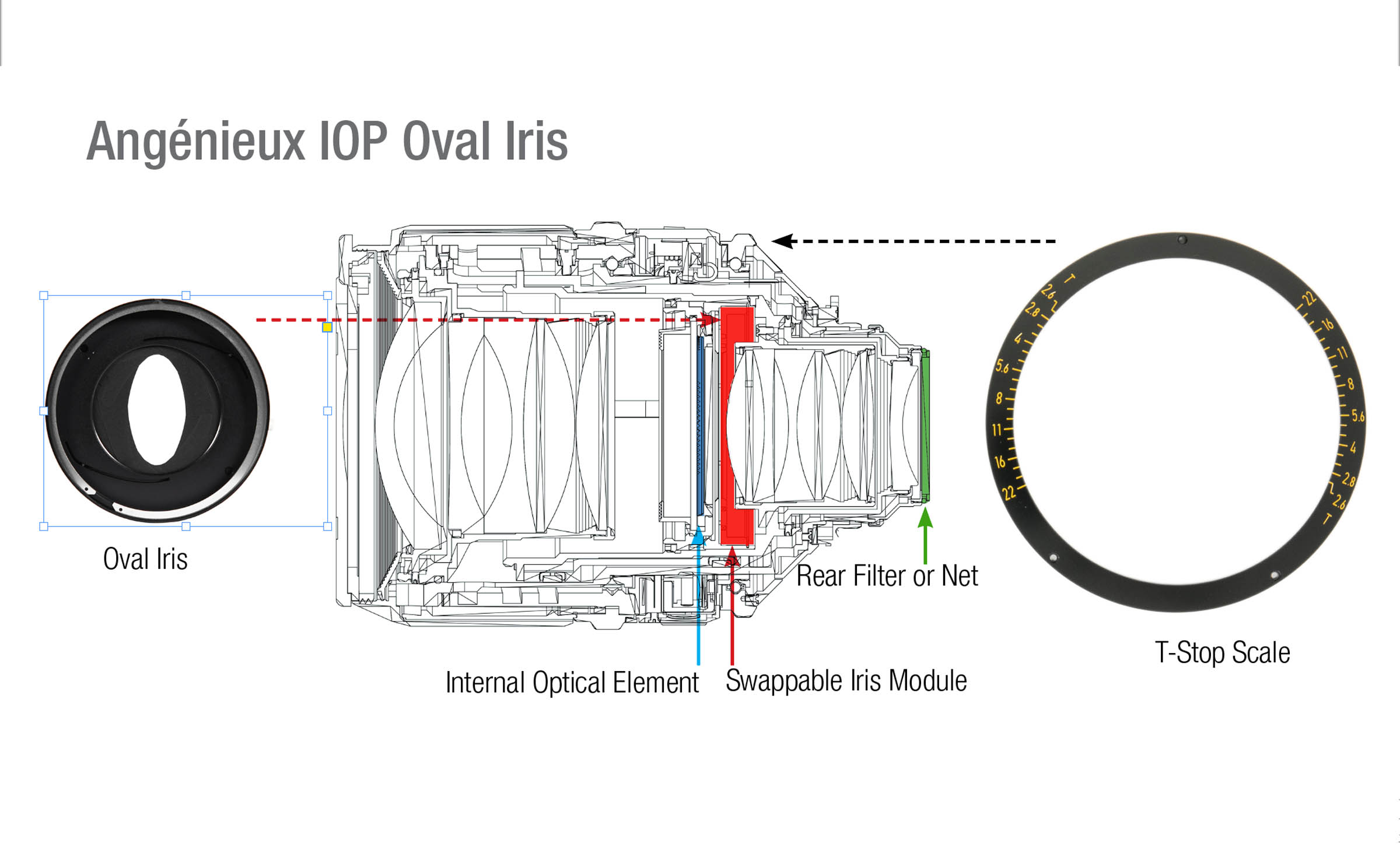
The Angénieux Integrated Optical Palette (IOP) for Optimo Primes offers customizable, repeatable, creative possibilities for cinematographers. There are 3 components in the IOP system: the Internal Optical Element, the Interchangeable Iris module, and the rear filter. You can “balance” them independently.
1. Internal Optical Element
The Internal Optical Element of the IOP system can alter MTF, sharpness or softness, focus fall-off, shading, diffusion, flare, etc. The looks are often completely different from you’d achieve with a front or rear filter. Internal Optical Elements are available as Clear Coated, Clear Uncoated, Glimmerglass, Black Satin, Black Promist, Low Contrast, Net and more. Custom IOPs are available on request. You can even customize a Clear IOP yourself with an airbrush, hairspray or all kinds of imaginative applications.
2. Interchangeable Iris
There are several versions of the 16-blade Oval Iris to maintain consistent bokeh (out-of-focus highlight) shape and size, depending on the focal length of the lens. Each Oval Iris assembly comes with a dedicated aperture ring. Swapping the iris does not change the lens metadata as the iris design preserves the native lens data to ensure accuracy without any modifications.
3. Rear Filter
A rear filter or net screws onto the back of the lens.
Aperture Scale
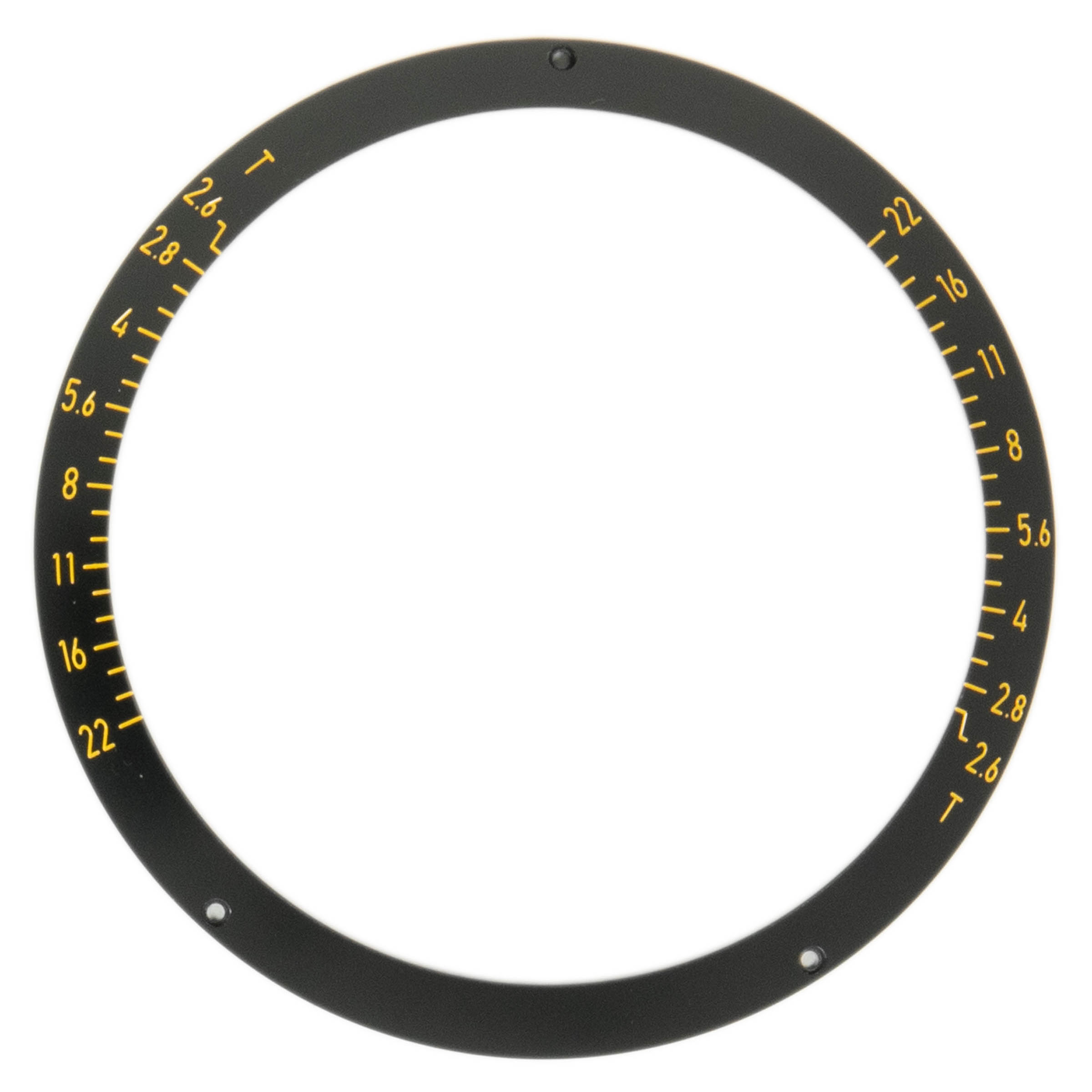
The T-Stop Scale that comes with each Oval Iris shows the new maximum aperture:
- 21mm to 135mm = T2.6
- 18mm = T2.8
- 200mm = T3.2
All other T-Stops remain the same. Changing the iris has no impact on the lens metadata.
Customizing Looks
Of course, you can also use a clip-on or mattebox filter in front. All the lenses have a 95mm diameter front barrel diameter except the 200mm Optimo Prime, which has a 114mm front diameter.
Working with cinematographers, rental houses and lens technicians have taken the IOP concept even further with their own bespoke takes on the IOP.

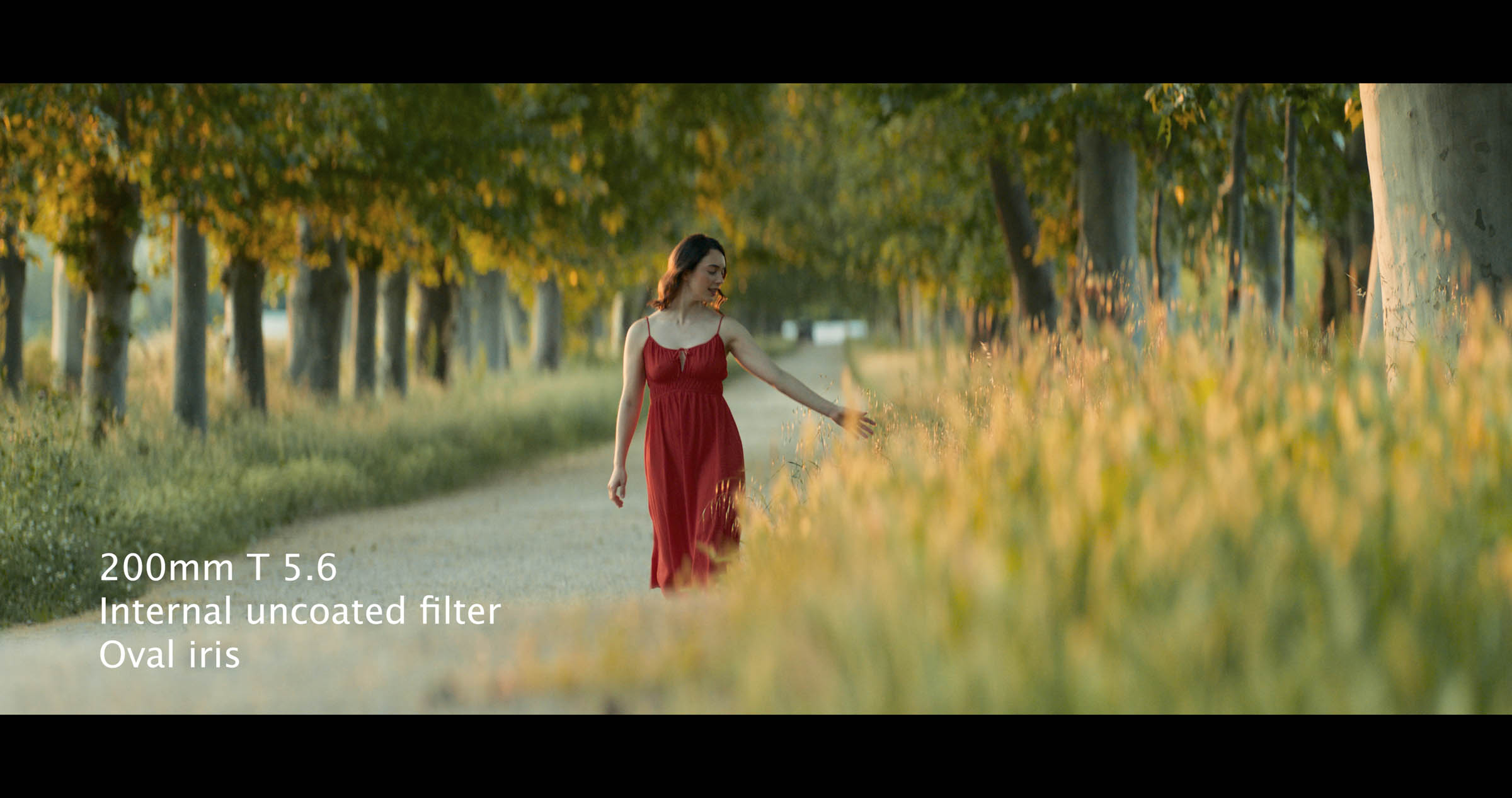
Angénieux Optimo Primes with new Oval Iris. Frames from a short film by Miguel Ángel Mora, AEC. Courtesy of Angénieux.
Photos of Iris and Scale by Gilbert Aguilar, Band Pro. Cutaway view courtesy of Angénieux.